Simple Checks to Try When Your Hearing Aid Stops Working
October 26, 2026
4

South Dakota's harsh winters pose challenges for hearing aids through moisture, cold-affected batteries, and temperature fluctuations requiring special protective care strategies.
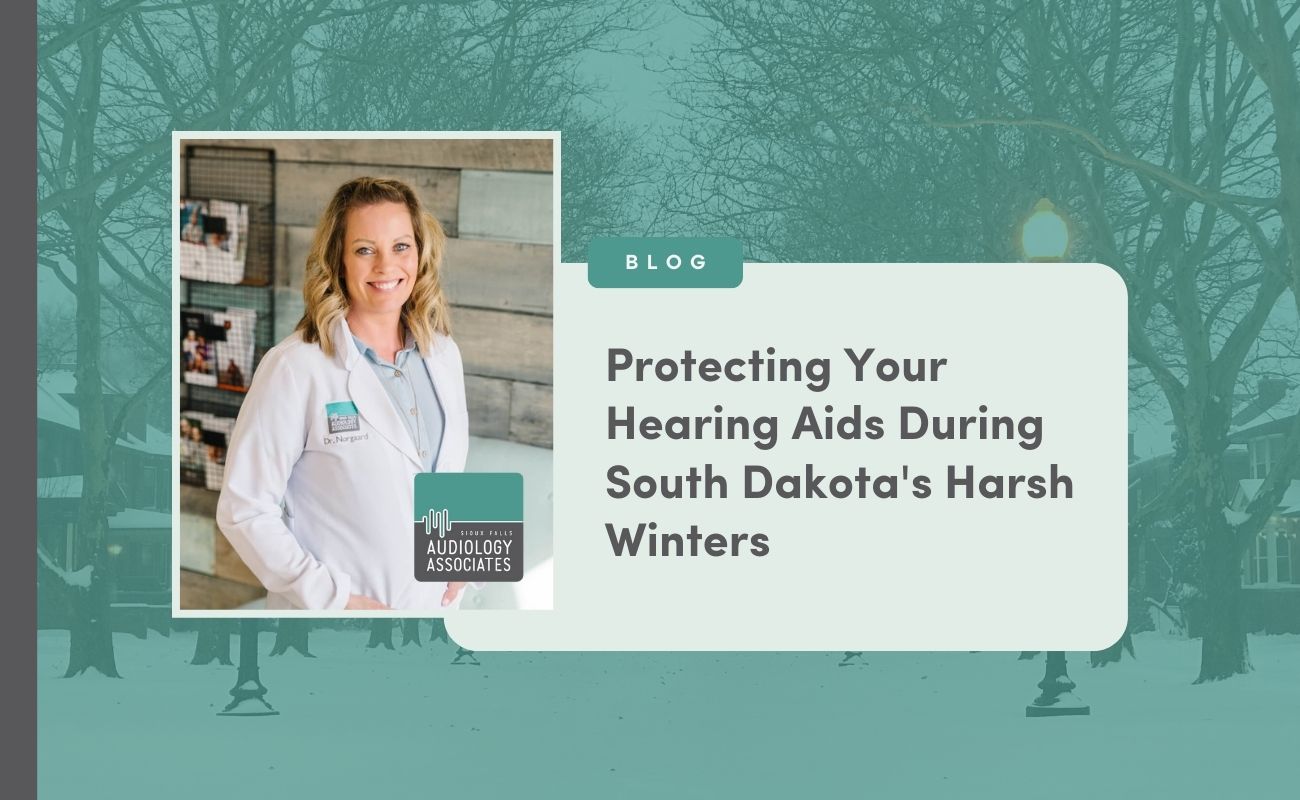
Winter in Sioux Falls brings unique challenges for those who wear hearing aids. Between the bitter cold, snow, and fluctuating indoor temperatures, your hearing devices face conditions that can affect their performance. Understanding how to protect your hearing aids during these months helps ensure they continue working when you need them most.
Hearing aids are sophisticated electronic devices, and extreme cold can impact their function in several ways. The most common issue we see at our practice involves moisture. When you step from the frigid outdoor air into a warm building, condensation forms inside your hearing aids. This moisture can temporarily disrupt sound quality or cause the devices to stop working altogether until they dry out.
Battery performance also suffers in cold weather. Traditional zinc-air batteries rely on a chemical reaction that slows down at lower temperatures. You might notice your batteries draining faster during winter months, sometimes dying hours earlier than expected. Rechargeable hearing aids face similar challenges—lithium-ion batteries lose efficiency when exposed to cold, though the effect is typically less dramatic than with disposable batteries.
The plastic and electronic components in hearing aids can become brittle in extreme cold. While manufacturers design these devices to withstand normal temperature variations, prolonged exposure to temperatures below zero can potentially damage sensitive parts. South Dakota winters regularly push thermometers well into negative territory, making this a real concern for local hearing aid users.
Many Sioux Falls residents enjoy winter activities like walking at Falls Park or attending outdoor hockey games. These activities require extra attention to hearing aid protection. Wind chill creates additional stress on devices, and blowing snow can introduce moisture into openings meant for sound or ventilation.
If you wear a winter hat or ear warmers, ensure they don't press too hard against your hearing aids. Excessive pressure can cause feedback or push the devices out of position. Look for headwear designed to accommodate hearing aids, with slightly looser ear coverage that still provides warmth without interference.
Indoor winter activities present their own considerations. The dry air from heating systems can cause static electricity buildup, which sometimes affects hearing aid performance. Running a humidifier in your home helps maintain proper moisture levels for both your comfort and your devices.
Start by storing your hearing aids properly overnight. Remove them before bed and place them in a dehumidifier or dry storage case. This simple habit removes any moisture accumulated during the day and prevents condensation from forming as your home cools at night.
When heading outdoors, give your hearing aids time to adjust. If possible, keep them in an inside pocket close to your body rather than exposed on your ears during extremely cold walks. Some people prefer removing their devices for brief outdoor activities when temperatures drop below zero, though this isn't always practical.
Carry backup batteries if you use disposable ones. Keep spare batteries in an inside pocket where body heat maintains their temperature and efficiency. Never store batteries in your car during winter—the cold will drain them before you even insert them into your hearing aids.
For rechargeable models, maintain your charging routine but be aware that cold devices may take slightly longer to charge. Don't charge hearing aids immediately after bringing them in from the cold. Let them reach room temperature first to prevent condensation inside the battery compartment.
Condensation represents the biggest winter threat to hearing aids. When you enter a warm building from freezing temperatures, moisture immediately forms on and inside your devices. Wipe down the exterior with a soft, dry cloth as soon as you notice any dampness.
Invest in a quality dehumidifier designed for hearing aids. These devices use either desiccant materials or gentle heat to remove moisture without damaging electronics. Use it daily during winter months, even if your hearing aids don't appear wet. Invisible internal moisture can cause problems over time.
If your hearing aids stop working after exposure to cold or moisture, don't panic. Remove the batteries (or turn off rechargeable models) and place the devices in your dehumidifier for several hours. This resolves most moisture-related issues without requiring professional repair.
Cold weather battery management requires planning. Purchase batteries more frequently during winter since they'll drain faster. Check battery levels before leaving home for extended periods. Many modern hearing aids provide low-battery warnings, but these systems sometimes struggle in cold conditions.
For disposable batteries, write the date on the package when you open it. Cold weather can shorten shelf life, and knowing how long batteries have been exposed to winter conditions helps you gauge their reliability.
Rechargeable users should maintain full charges during winter. Top off your devices every night, even if they seem to have adequate power remaining. The cold reduces total capacity, so starting each day with a full charge provides a buffer against unexpected drainage.
Some winter-related issues require professional attention. If your hearing aids consistently malfunction despite proper care, bring them to our office for inspection. We can check for moisture damage, clean internal components, and ensure all seals remain intact.
We program hearing aids using Real Ear Measurement to verify optimal performance across different conditions. Winter sometimes reveals that settings need adjustment, particularly if you're spending more time in specific environments. We can fine-tune your devices to maintain clarity whether you're inside heated buildings or braving the outdoor cold.
Unusual sounds, intermittent functioning, or visible condensation inside the battery compartment all warrant professional evaluation. Addressing problems quickly prevents minor issues from becoming major repairs.
Sioux Falls winters test both residents and their technology. Your hearing aids represent a significant investment in your quality of life, and protecting them from harsh weather ensures they serve you reliably for years. Simple preventive measures—proper storage, moisture management, and battery care—make the difference between devices that work consistently and ones that fail when you need them most.
If you're experiencing winter-related hearing aid problems or want personalized advice for protecting your specific devices during cold weather, contact our office. Dr. Norgaard can assess your situation and recommend solutions tailored to your hearing aids and lifestyle. Don't let South Dakota's winter interfere with your hearing health.

Sioux Falls Audiology Associates in Sioux Falls, SD
Miramar Beach Audiology Associates in Miramar Beach, FL

.png)
.png)